
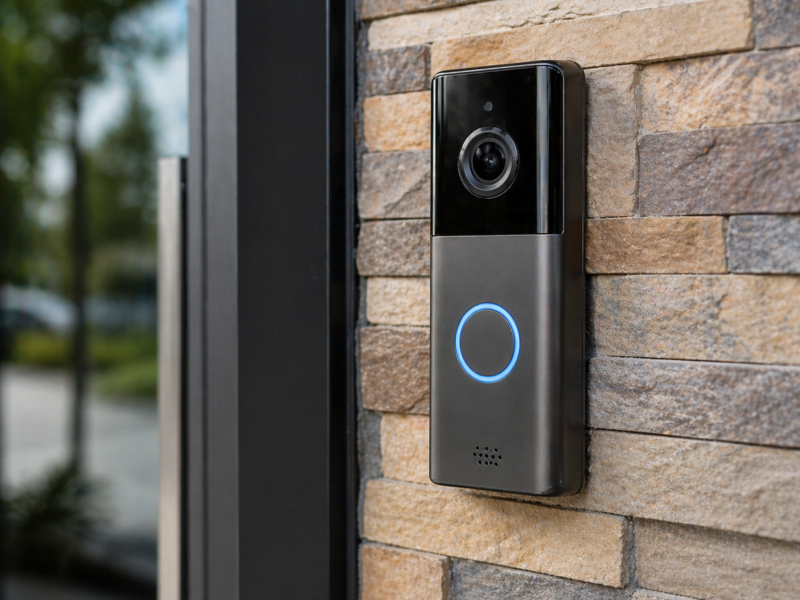
A video doorbell may seem like a complete security solution, but many homes with cameras still experience break-ins. The issue is not the device; it is how and where it is used.
When placement is limited to the front door, critical vulnerabilities across the property remain exposed. Understanding how video doorbell installation fits within a broader security strategy is essential to improving real protection.
Where should a video doorbell be installed?
A video doorbell should be installed at a height that captures faces clearly while covering the approach path to the door. Walls or fixtures should not block it and should provide a clear view of visitors and movement near the entrance.
Do video doorbells prevent break-ins?
Video doorbells can deter some activity and provide recorded footage, but they do not physically stop entry. Effective break-in prevention typically requires additional measures such as reinforced doors and protected glass entry points.
What Video Doorbell Installation Actually Does
A video doorbell provides real-time visibility of activity at your main entrance. It captures motion, records footage, and allows remote communication with visitors.
In practical terms, it helps:
- Monitor front-door activity
- Deter opportunistic behaviour
- Provide recorded evidence if needed
However, it is important to recognize that a video doorbell is primarily an observation tool, not a physical barrier.
Why Break-Ins Still Happen Even with Doorbell Cameras
Many homes already have cameras installed, yet incidents still occur. This is because most break-ins do not happen at the front door.
Common reasons include:
- Entry through side or rear doors
- Access through glass windows or sliding doors
- Limited visibility in blind spots
Cameras can document events, but they do not prevent forced entry on their own. This gap is where many homeowners misunderstand the role of surveillance.
The Weakest Link: Glass and Entry Points
In many residential properties, the most vulnerable areas are not covered by video doorbell installation cameras.
These include:
- Sliding patio doors
- Basement windows
- Rear entry doors
- Ground-level windows
Glass remains one of the easiest access points. Without reinforcement, it can be broken quickly, allowing entry before any response can be made. This is why solutions such as window security film and reinforced entry systems are often considered alongside surveillance
What Actually Prevents a Break-In: Layered Security
Effective home protection is built on multiple layers, not a single device. This approach follows principles used in Crime Prevention Through Environmental Design (CPTED). It focuses on reducing opportunities for crime through design and reinforcement.
A layered system typically includes:
- Surveillance (cameras and video doorbells)
- Physical barriers (door reinforcement, window protection)
- Environmental design (lighting, visibility, controlled access)
When combined, these elements slow or prevent entry, increasing the likelihood that an attempt will be abandoned.
Where Video Doorbell Installation Fits in a Complete Security System
A video doorbell installation in Toronto should be positioned to maximize visibility while complementing other security measures.
Key placement considerations:
- Install at a height that clearly captures faces (typically chest to eye level)
- Ensure coverage of the front entry path and doorstep
- Avoid obstructions such as walls, pillars, or decorative elements
- Angle the device to capture approach routes, not just the door
While placement improves effectiveness, it should be viewed as part of a broader system rather than a standalone solution.
Why Video Doorbell Installation Matters for Homes in Southern Ontario
Homes across Southern Ontario often feature layouts that include multiple access points beyond the front entrance. Side yards, backyard entries, and basement-level windows are common in both urban and suburban areas.
This creates conditions where:
- Front-facing cameras provide limited coverage
- Rear and side access points remain exposed
- Visibility varies depending on the property design
For homeowners, this means security planning must extend beyond a single camera to address the full property layout.
How to Build a More Effective Home Security Setup
Improving home security starts with identifying vulnerabilities and addressing them systematically.
A practical approach includes:
- Assessing all entry points, not just the front door
- Reinforcing doors and frames where needed
- Applying protective solutions to glass surfaces
- Installing cameras strategically across the property
It is also important to consider how these elements integrate into a complete home security assessment.
Panstrato Defense Systems combines surveillance, reinforcement, and CPTED-based strategies to help reduce the risk of break-ins and improve overall property security. Contact the team today to install video doorbell security systems that enhance overall residential security.